- by LMH Agency
- Roof Maintenance
You may not think much about your roof when everything looks normal, but that is usually when small problems have the best chance to grow. In Mount Dora, heat, humidity, heavy rain, and storm season can wear down roofing materials faster than many homeowners expect. At Skymark Roofing, we hear the same concern all the time: how often should you actually schedule a roof inspection? The right answer is not complicated, but it does depend on your roof’s age, recent weather, and whether subtle warning signs are already showing up.
Annual Roof Inspection In Mount Dora: Why Timing Matters
For most homes, once a year is the minimum. In Mount Dora, a better routine is usually one inspection before storm season and another after the roughest weather has passed, especially if your roof is older or has already had repairs. Florida roofs deal with months of heat and moisture, and the Atlantic hurricane season runs from June 1 through November 30. That is why waiting until you see an interior stain or obvious shingle loss can leave you reacting too late.
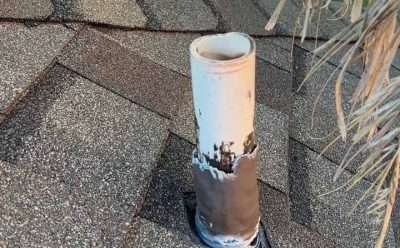
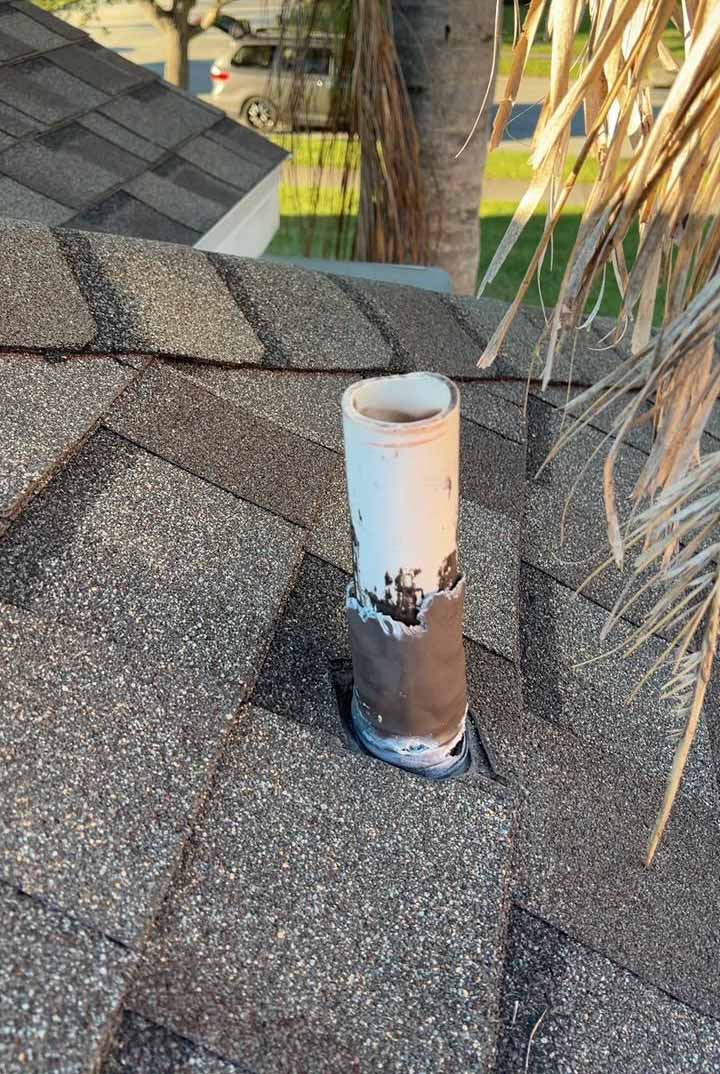
A regular annual roof inspection in Mount Dora gives you a chance to catch problems while they are still manageable. A lifted shingle, a cracked vent boot, worn sealant, or a small flashing gap may not look urgent from the ground, but those are exactly the kinds of issues that can let water in when a stronger storm hits. After severe weather, the National Roofing Contractors Association advises property owners to inspect from ground level and leave closer damage assessment and repairs to a professional roofing contractor.
That schedule also makes practical sense for homeowners who want fewer surprises. If you inspect before storm season, you can strengthen weak areas before wind and rain test them. If you inspect again after a stretch of rough weather, you can confirm whether the roof came through cleanly or whether hidden damage needs attention before it turns into a leak.
Home Roof Inspection In Mount Dora: The Signs You Might Miss
A home roof inspection in Mount Dora is not just about spotting dramatic damage. In fact, some of the most important signs are the easiest to miss. You might notice granules collecting in the gutter and assume that is normal. You might see a slightly lifted shingle edge and think it can wait. You may even have a small ceiling spot that only appears after a hard rain and disappears once things dry out.
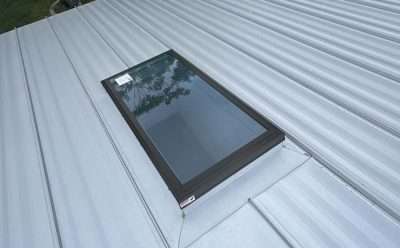
Those small signs matter because roofing problems often begin around transitions and penetrations, not across the whole roof at once. Flashing around vents, valleys, skylights, chimneys, and ridges can age differently than the main field of shingles. Sealants can dry out. Fasteners can loosen. Debris can trap moisture where water should be flowing away.
A good roof inspection checklist in Florida should include more than what you can see from the yard. It should also account for attic moisture, musty odors, damp insulation, soft decking, staining near roof penetrations, and any pattern that suggests water is getting in during wind-driven rain. That is one reason inspections are so valuable here. They help you catch roofing wear before it becomes interior damage.
Homeowners also ask about roof inspection costs in Mount Dora. The most useful answer is that cost depends on the scope. A basic condition check is different from an inspection tied to a real estate transaction, formal documentation, or insurance needs. In many cases, though, starting with a free inspection is the easiest way to understand whether your roof needs monitoring, maintenance, repair, or nothing at all.
A Mount Dora Roof Inspection Review That Highlights What Homeowners Actually Want
When you invite a roofing company onto your property, you want more than a checklist. You want clear answers and honest follow-through. That is what comes through in Daniel’s review of Skymark Roofing.
He wrote that Kenny was “professional, honest,” and said he felt he could trust the team during a major roofing project. He also praised Michael for keeping everything on track. He emphasized that : “They didn’t make excuses; they solved the problems immediately and correctly.” That matters because a strong inspection experience should feel the same way.
You should come away knowing what was found, what needs attention now, and what can simply be watched over time. You can read the full Google review here.
Roof Inspection Checklist In Florida: Why Professional Eyes Matter
It is easy to assume a quick visual check from the driveway is enough. Usually, it is not. The trouble with roofing issues is that they rarely announce themselves clearly at the beginning. A roof may still look fine from the street while vulnerable areas are already developing around penetrations, flashing details, or previous repair spots.
Professional inspections help you separate normal aging from active risk. That distinction is important because not every issue means major work is needed. Sometimes the right answer is a minor repair. Sometimes it is maintenance. Sometimes it is simply watching a known area and checking it again after the next season. What you want is clarity, not guesswork.
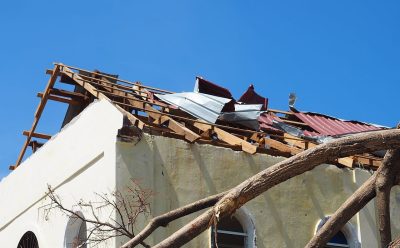
This is also why storm follow-up matters so much in Central Florida. Even if you do not see missing shingles from the ground, strong wind can loosen materials or open pathways for water without causing immediate interior damage. By the time those problems become obvious, the repair is often larger and more disruptive than it had to be. That is why post-storm checks are not just cautious. They are cost-conscious.
That pre-storm timing matters because the Insurance Institute for Business and Home Safety says homeowners should handle preventive steps before severe weather arrives, including clearing gutters and downspouts and trimming branches near the roof. Their Thunderstorm Ready guidance fits naturally with scheduling a roof inspection before Florida’s stormiest stretch.
Free Roof Inspection In Mount Dora: When To Schedule Yours
If your roof is in good shape and has not been through recent storm stress, scheduling once a year is a solid baseline. If your roof is older, has repaired areas, or sits under heavy tree coverage, twice a year is usually the safer plan. You should also schedule an inspection after any storm that leaves you wondering whether the roof took a hit.
A smart rhythm for many homeowners is simple: inspect before storm season, inspect again after severe weather, and do not ignore smaller clues in between. If you have noticed granules in gutters, staining on ceilings, lifted shingles, or signs of moisture in the attic, that is reason enough to move sooner.
If you want a straightforward starting point, at Skymark Roofing you can schedule a free Mount Dora roof inspection and get a no-pressure assessment of your roof’s current condition. That makes it easier to decide what, if anything, needs to happen next. When you are ready to schedule service, contact us online.
FAQs
How often should you schedule a roof inspection in Mount Dora, FL?
For most homes, once a year is the minimum. In Mount Dora, many homeowners benefit from one inspection before storm season and another after severe weather.
Is an annual roof inspection in Mount Dora enough for older roofs?
Usually not. Older roofs, repaired roofs, and roofs with recurring trouble spots often need more frequent checks to catch problems early.
What does a home roof inspection in Mount Dora usually look for?
It typically includes shingles or other roofing materials, flashing, penetrations, drainage areas, visible wear, and signs of moisture intrusion inside the attic or home.
Is a free roof inspection in Mount Dora worth scheduling?
Yes, especially if you want to understand your roof’s condition before storm season or after rough weather without committing to repair work first.
What warning signs should send you to schedule an inspection right away?
Lifted or missing shingles, granules in gutters, ceiling stains, attic moisture, soft spots, and any signs of storm impact are all good reasons to book an inspection sooner.