- by Skymark Roofing
- Hurricanes and Storms
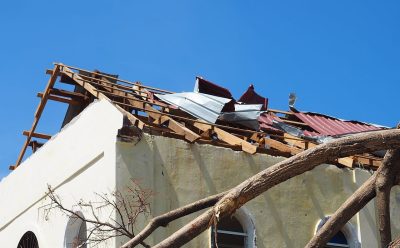
Florida is no stranger to extreme weather, especially during hurricane season. From intense tropical storms to full-blown hurricanes, roofs across the state face significant damage each year. Hurricane Helene and Hurricane Milton have both wreaked havoc throughout the state of Florida, leaving behind damaged roofs and homes in need of immediate attention.
In this blog post, we’ll walk you through the most important steps to take when your roof is damaged by a hurricane or tropical storm, what to expect in terms of repairs, and how to be better prepared for future storms.
Understanding Roof Damage from Hurricanes and Tropical Storms
Hurricanes like Milton can cause various types of damage to roofs depending on the storm’s intensity, the roofing material, and how well the roof was maintained. Here are some common types of storm damage:
- Wind Damage: High winds can lift shingles, tiles, or metal panels off your roof, leaving the underlying structure exposed to rain and debris.
- Water Damage: With lifted or missing roofing materials, water can seep into your home, causing leaks, mold, and structural damage.
- Falling Debris: Strong winds can uproot trees or send branches crashing onto your roof, resulting in punctures, cracks, or major structural issues.
- Hail Damage: Although rare in hurricanes, hail can accompany tropical storms, denting or cracking roofing materials.
Immediate Steps to Take After Roof Damage
If your roof has been damaged by a storm, here’s what you need to do right away:
- Assess the Damage
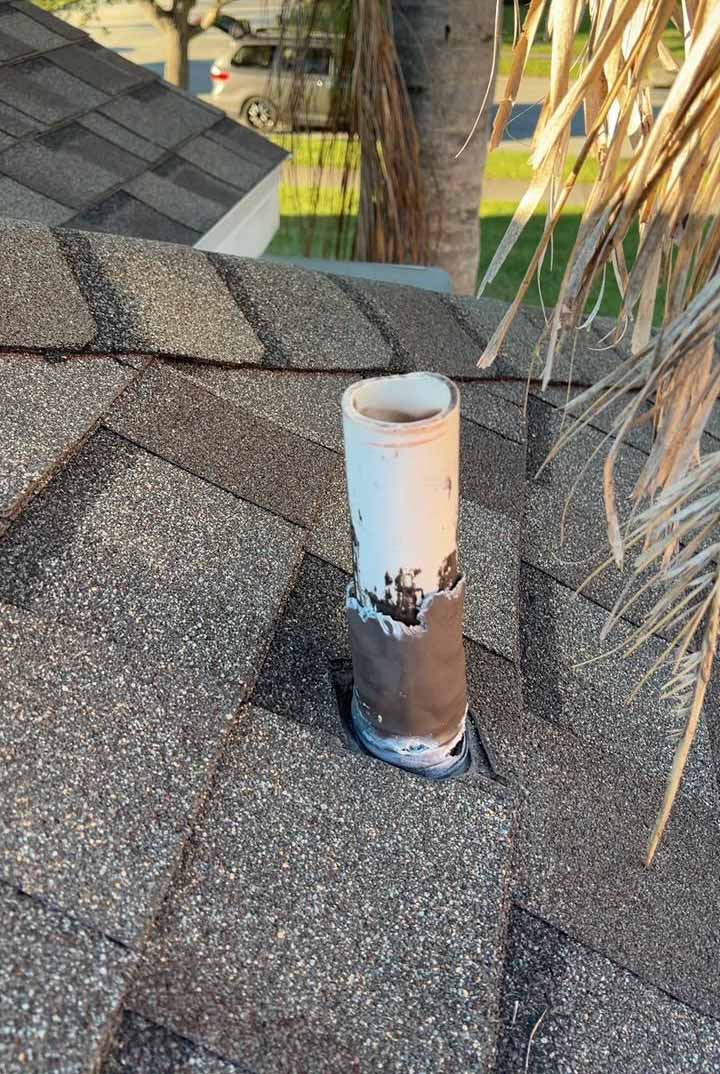
Safely inspect your roof for any visible damage, such as missing shingles, punctures, or debris. If it’s unsafe to do this yourself, contact a professional for a storm damage inspection. - Temporary Fixes
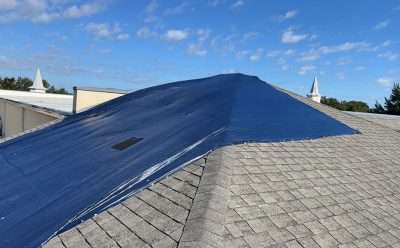
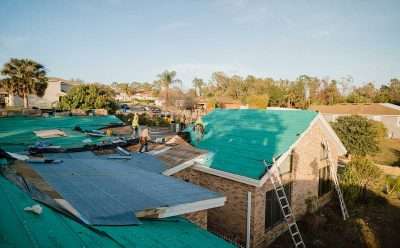
If water is leaking into your home, use tarps or buckets to minimize interior damage until professional help arrives. For severe roof damage, emergency roof tarping can prevent further water intrusion. - Document the Damage
Take photos and videos of the damage to provide evidence for your insurance claim. The more documentation you have, the smoother the process will be. - Contact Your Insurance Company
File a claim as soon as possible. Some insurance policies have specific timeframes for reporting hurricane-related damage. Be sure to have your photos and any roofing estimates on hand. - Hire a Licensed Roofing Contractor
In Florida, it’s crucial to hire a licensed and insured contractor for emergency storm damage repairs. Avoid unqualified or out-of-state “storm chasers” who offer quick, cheap fixes that could lead to more problems down the road.
Our Process for Roof Repairs
Repairing roof damage from a hurricane or tropical storm can range from minor fixes to complete roof replacements. Here’s what you can expect from the repair process:
- Roof Inspection
A professional roofer will conduct a thorough inspection to assess the extent of the damage. They’ll look for things like lifted shingles, missing tiles, water intrusion, and structural damage. - Roof Tarping
If extensive damage is found, temporary roof tarping may be necessary to protect your home from further rain and debris while repairs are being planned. - Material Selection
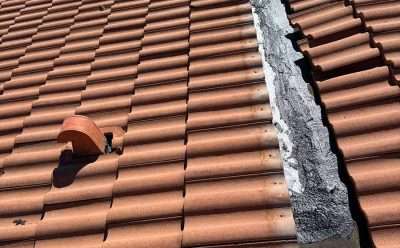
Depending on your roof type—whether it’s asphalt shingles, metal, or tile—the roofing contractor will select the best materials for repairs or replacement, ensuring your roof is resilient to future storms. - Permits and Regulations
Florida has strict building codes designed to ensure roofs can withstand hurricane-force winds. Any repair or replacement will need to comply with these codes, and your Skymark Roofing contractor will handle obtaining the necessary permits. - Repair or Replacement
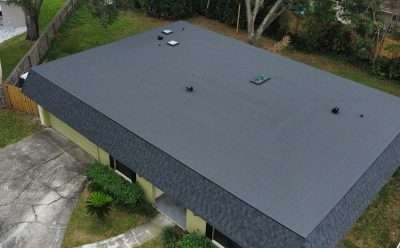
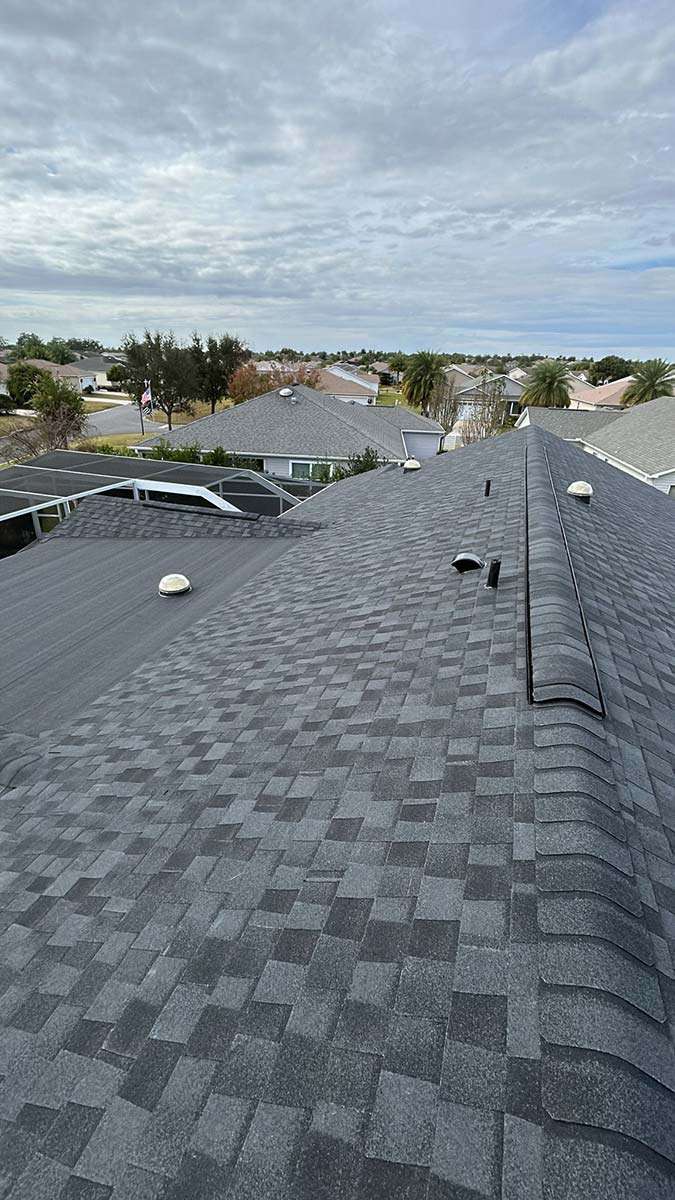
Depending on the severity of the damage, your roof may need minor repairs, such as replacing damaged shingles, or a full replacement if structural integrity has been compromised.
How to Prepare Your Roof for Future Hurricanes
After experiencing a storm like Hurricane Milton, it’s important to take steps to better prepare your roof for future storms:
- Regular Roof Inspections: Schedule an annual roof inspection to ensure that your roof is in good condition before hurricane season starts.
- Roof Reinforcements: Install hurricane straps or roof clips to improve the roof’s resistance to high winds.
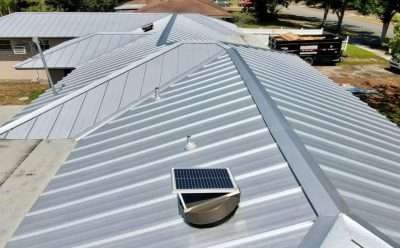
- Roof Material Upgrades: If you’re due for a roof replacement, consider upgrading to impact-resistant shingles, metal roofing, or tiles that can withstand extreme weather.
Hiring a Local Roofing Contractor Who Cares
Storm damage from hurricanes like Milton and Helene can be overwhelming, but you don’t have to face it alone. As a local business, we understand the stress and uncertainty that storm damage can cause for Florida homeowners. We’ve been through these storms too, and we’re here to help you with the professionalism and care you deserve. Whether you need emergency repairs in Tampa or a full roof replacement in Orlando, our team is ready to get your home back in shape and prepared for whatever comes next. Contact Skymark Roofing today and let us handle the hard work, so you can focus on what matters most—keeping your family safe.