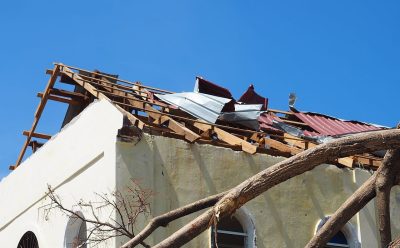
A damaged roof in Florida is not a wait-and-see situation. Whether it’s a fast-moving thunderstorm in July, a named hurricane, or a tree limb that came down overnight, water moves quickly once your roof is compromised. Insulation soaks through in hours. Drywall softens. Mold starts within 24 to 48 hours. The cost of waiting almost always exceeds the cost of acting fast.
This guide walks Florida homeowners and property owners through exactly what to do when emergency roof damage happens — and what to expect from a professional response.

What Counts as a Roofing Emergency?
Not every roof issue needs an emergency call at 10 p.m. But some absolutely do. Here’s how to tell the difference.
You need emergency roof repair if you have:
- An active leak with water entering your home during or after a storm
- Missing shingles, tiles, or metal panels with the roof deck exposed to the elements
- A tree limb, branch, or debris that has punctured or torn the roof surface
- Large sections of roofing material that are lifted, peeled back, or blown off
- Ceiling stains that appeared suddenly and are spreading
- Visible sagging or structural changes after high winds or impact
You can likely schedule a standard repair if:
- A few shingles are missing but there’s no active leak and no rain in the near forecast
- You noticed granule loss or minor wear during a calm inspection
- You see surface-level damage that isn’t exposing the roof deck
If you’re genuinely unsure, call. A reputable roofing company will ask the right questions to help you determine whether you need someone out today or if a scheduled visit makes more sense.
What to Do Immediately After Roof Damage
The steps you take in the first few hours matter. Here’s what to do before the roofing crew arrives.
1. Stay safe first. Don’t go onto your roof. Wet roofing surfaces are dangerous, and storm-damaged areas can be structurally unstable. Leave the inspection to the professionals.
2. Move valuables away from active leaks. Place buckets or towels to catch dripping water and move furniture, electronics, and anything irreplaceable out of affected areas.
3. Document everything you can safely see. Take photos from the ground or through windows of any visible damage, water stains, or debris. Note the time the storm occurred. This documentation matters for your insurance claim.
4. Check your attic if you can do so safely. Water intrusion often shows up first in the attic. If you can access it without risk, look for wet insulation, dripping, or discoloration and photograph what you find.
5. Call a licensed roofing company. Don’t wait to see if the leak gets worse. Get someone on the way.

What Happens When a Professional Emergency Roofing Crew Arrives
When you call Skymark Roofing for emergency roofing service in Central Florida, here’s what the response looks like from your first call through the completion of emergency work.
Triage by phone. Before anyone rolls, we ask targeted questions about what you’re seeing — active leaks, visible damage, debris on the roof, interior water. This helps us understand severity and bring the right materials.
On-site assessment. Once the crew arrives, the first priority is identifying how water is getting in and what’s needed to stop it. Safety hazards are identified and managed before anything else.
Emergency tarping. For most storm damage situations, professional-grade tarps are secured over the affected area to stop water intrusion and protect your interior until permanent repairs can be scheduled. These aren’t the blue hardware store tarps — they’re properly anchored, weather-resistant coverings designed to hold through additional rain.
Temporary repairs. In some cases, crews can seal, patch, or shore up compromised areas on the spot, buying time for a more thorough permanent repair.
Damage documentation. Every emergency response includes detailed photos and written notes that support your insurance claim. Good documentation from the scene makes the claims process significantly smoother.
Clear path to permanent repairs. Once the immediate situation is controlled, you’ll get honest recommendations for what comes next, whether that’s a targeted repair, a partial replacement, or a full roof replacement, with a timeline and detailed estimate.

Florida’s Roofing Emergencies: What Makes Them Different
Florida homeowners deal with roofing threats that most of the country doesn’t. A few things that shape emergency roofing here:
Hurricane season runs June through November. Named storms aren’t the only threat — tropical systems, outer bands, and severe squalls can cause significant damage even when a hurricane never makes landfall nearby. Every Central Florida homeowner should have a plan before the season starts.
Storms move fast. A severe thunderstorm can develop and produce damaging winds in under an hour. Unlike a hurricane with days of warning, a fast-moving afternoon storm can leave you dealing with damage before you’ve had time to prepare.
Heat and UV exposure weaken roofing materials faster. Florida’s intense sun degrades shingles, adhesives, and sealants over time. An older roof that looks acceptable may be more vulnerable to storm damage than it appears. What cracks or lifts under 90 mph winds in Florida might have held up in a milder climate.
Insurance complexity is real. Florida’s insurance market has experienced significant turbulence in recent years, with carriers scrutinizing claims more closely and timelines stretching longer. Having solid documentation from the emergency response including photos, written damage assessments, and a licensed contractor’s estimate that gives you the strongest foundation for your claim.
Emergency Roof Repair and Your Insurance Claim
Dealing with your insurer after storm damage can feel like a second emergency. Here’s a practical overview of how it typically works and where a roofing company can help.
File your claim promptly. Most policies have deadlines for reporting storm-related damage. Don’t wait weeks to document and report.
Your roofer can support your adjuster. A licensed roofing contractor can document damage thoroughly, prepare repair and replacement estimates that meet Florida building code requirements, and in many cases meet with your adjuster on-site to walk through what was found. What a roofer cannot do is act as your public adjuster or advocate to your carrier on your behalf in a formal capacity.
Supplement estimates matter. Insurance adjusters sometimes miss damage or underestimate the scope of repairs. Your roofer should be prepared to identify missed items and provide supplemental documentation to support a revised estimate.
Get everything in writing. From the initial emergency response through final repair or replacement, make sure you have a clear written scope of work, a detailed estimate, and documentation of all damage found. This protects you throughout the claims process.
At Skymark, we help Central Florida property owners navigate the roofing side of their insurance claims from the first emergency call through permanent restoration. We can’t guarantee your carrier will approve coverage, but we make sure you have the clearest, most complete documentation possible.

Common Questions About Emergency Roof Repair in Florida
How quickly can you respond to an emergency roof call? Response time depends on weather conditions, crew availability, and the severity of the situation. During active storms, we respond as soon as it’s safe for our crews to work. In most non-storm situations, we can reach Central Florida properties within hours of your call.
Do you handle emergency repairs on commercial properties? Yes. Our emergency crews respond to both residential and commercial properties throughout Central Florida and work on all roof types — shingle, tile, metal, flat, and TPO systems.
What should I do if I can’t reach a roofer right away during a major storm event? Keep documenting damage from safe locations inside your home. Move valuables out of affected areas and use buckets or towels to manage water until help arrives. Avoid going onto the roof under any circumstances.
Does emergency tarping prevent additional interior damage? Yes, when installed properly. Professional-grade tarping creates a weather-resistant barrier that holds through additional rainfall events and significantly reduces the risk of further water intrusion while permanent repairs are planned.
What if my roof damage was from a tree rather than wind or rain? Tree and debris impacts are covered by most homeowners insurance policies, though the coverage depends on your specific policy and circumstances. Document the impact site, the tree or limb, and all visible damage before any cleanup begins.
Don’t Wait to Make the Call
Every hour matters when water is getting into your home. Waiting through the night or weekend hoping the damage is minor often turns a manageable repair into a much larger and more expensive project. Wet insulation, damaged sheathing, and early-stage mold growth are all preventable with a fast professional response.
Skymark Roofing provides 24/7 emergency roofing services across Central Florida, including Mount Dora, Orlando, the Tampa Bay area, Lake County, and surrounding communities. Our crews are licensed, insured, and experienced with residential and commercial properties throughout the region.